
Customer Operations for Support Teams
Support teams don’t break on hard tickets. They break on volume.
Central answers routine questions, routes complex cases with full context, and keeps queues moving without adding headcount.
Support stays responsive as volume grows.
✓
✓
Free to start
✓
✓
Setup in 5 minutes

Rated ★★★★★ on G2










Rated ★★★★★ on G2
Support doesn't break on hard tickets. It breaks on volume.
When every "quick question" becomes a thread, a ticket, or a callback, response times climb, and customers feel ignored.
Answer the repeat questions instantly.
Customers get immediate answers to common questions instead of waiting in a queue, which cuts response times and frustration.

Triage and route tickets to the right place.
Requests reach the right team the first time, reducing back-and-forth and tickets bouncing between agents.

Triage and route tickets to the right place.
Requests reach the right team the first time, reducing back-and-forth and tickets bouncing between agents.
Escalate to a human with full context.
Agents pick up cases already understood, so issues get resolved faster without rereading long threads.

Escalate to a human with full context.
Agents pick up cases already understood, so issues get resolved faster without rereading long threads.
Fewer “just checking in” messages.
Automatic follow-ups keep customers informed about what is happening next.
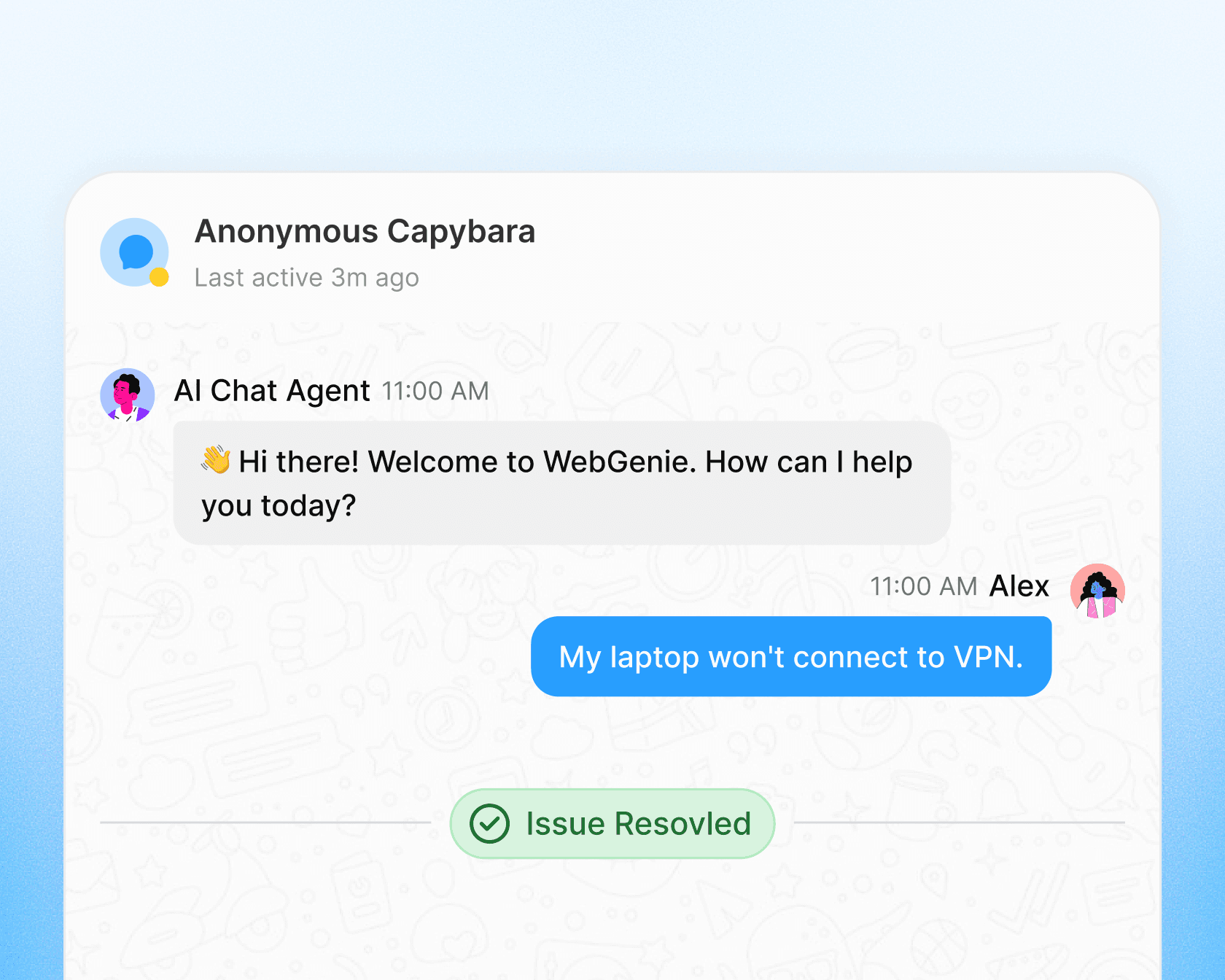
Fewer “just checking in” messages.
Automatic follow-ups keep customers informed about what is happening next.
Keep answers consistent across channels.
Customers get the same answer whether they call, chat, or email, which builds trust and avoids confusion.
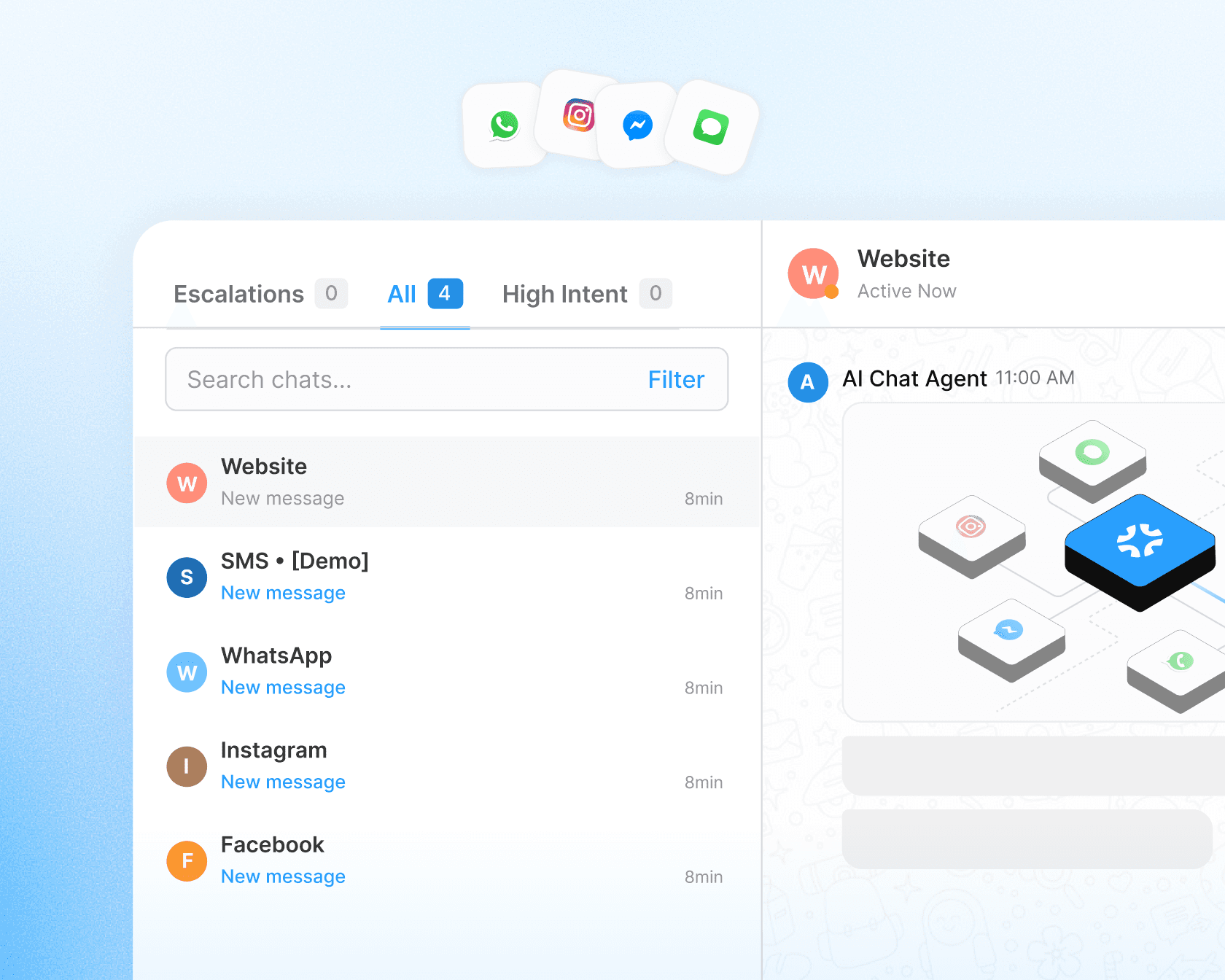
Keep answers consistent across channels.
Customers get the same answer whether they call, chat, or email, which builds trust and avoids confusion.
Turn resolved cases into better support.
Central captures what worked, so the next customer gets the answer faster. Over time, fewer issues repeat, and teams spend less time re-explaining fixes.
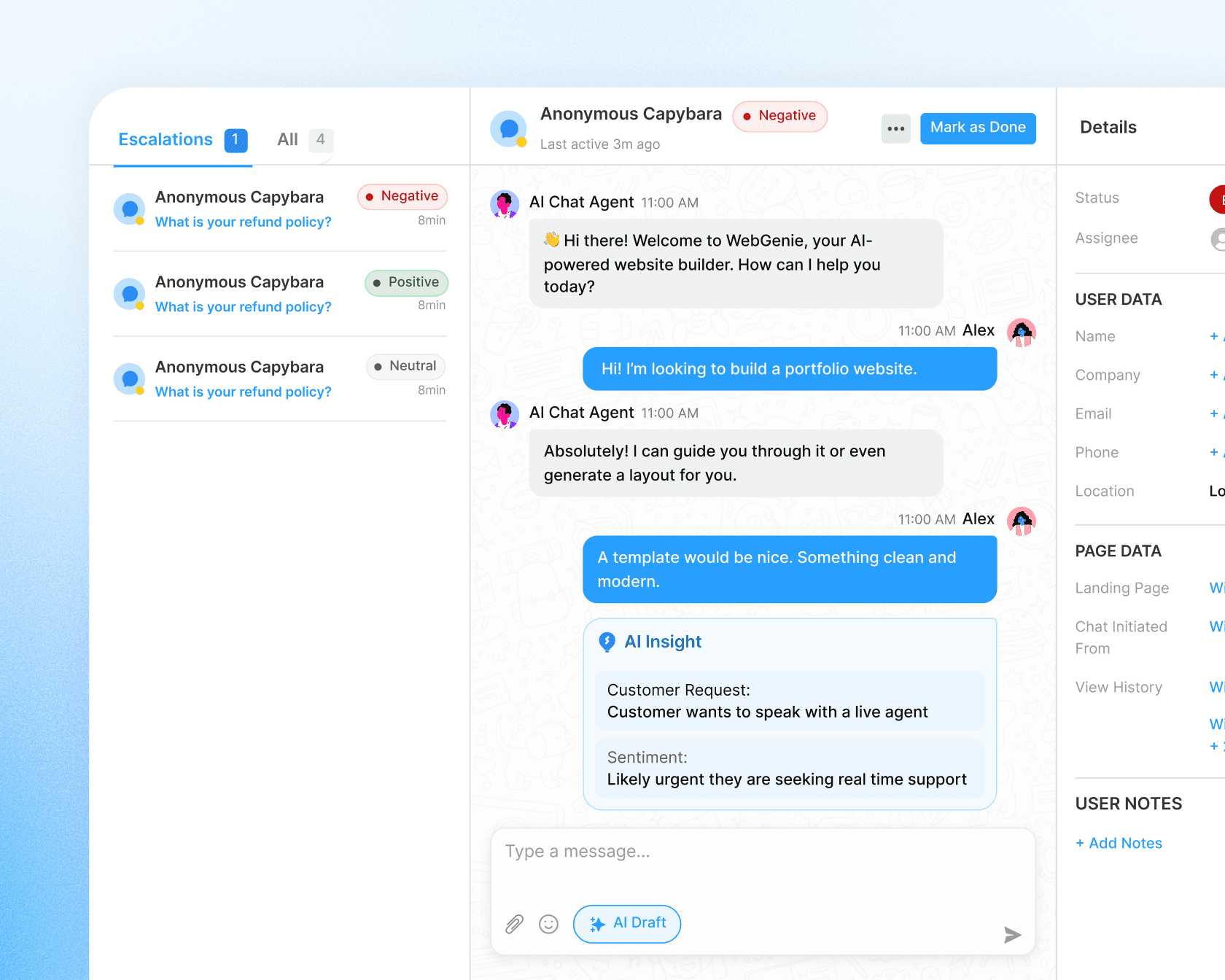
Turn resolved cases into better support.
Central captures what worked, so the next customer gets the answer faster. Over time, fewer issues repeat, and teams spend less time re-explaining fixes.
Six ways Central keeps follow-up reliable across teams.
Loved by 1000+ businesses
Faster replies. Fewer tickets. Better Support.
Loved by 1000+ businesses
Faster replies. Fewer tickets. Better Support.
Loved by 1000+ businesses
Faster replies. Fewer tickets. Better Support.
FAQ
Frequently Asked Questions
So what is Central in a support context?
Central is the layer that handles the repeatable parts of support: instant answers, structured intake, and smart routing. When a case needs a human, it hands off with a clean summary so agents don’t have to restart the conversation.
How quickly can the service be set up and start handling calls?
Content
So what is Central in a support context?
Central is the layer that handles the repeatable parts of support: instant answers, structured intake, and smart routing. When a case needs a human, it hands off with a clean summary so agents don’t have to restart the conversation.
What kinds of tickets should Central handle vs. what should stay with my agents?
Central should handle high-volume requests like order status, resets, policy questions, basic troubleshooting, and scheduling. Agents should handle exceptions, emotional situations, edge cases, and anything that requires judgment or negotiation.
What kinds of tickets should Central handle vs. what should stay with my agents?
Content
What kinds of tickets should Central handle vs. what should stay with my agents?
Central should handle high-volume requests like order status, resets, policy questions, basic troubleshooting, and scheduling. Agents should handle exceptions, emotional situations, edge cases, and anything that requires judgment or negotiation.
My biggest fear is wrong answers. How do we prevent policy mistakes?
You set rules for what Central can answer and when it must escalate, especially for refunds, cancellations, or anything sensitive. The goal is predictable behavior: reliable on approved topics and conservative when something is unclear.
My biggest fear is wrong answers. How do we prevent policy mistakes?
Content
My biggest fear is wrong answers. How do we prevent policy mistakes?
You set rules for what Central can answer and when it must escalate, especially for refunds, cancellations, or anything sensitive. The goal is predictable behavior: reliable on approved topics and conservative when something is unclear.
How does escalation work when a conversation gets complicated?
Central escalates with context already organized: what the customer wants, what they tried, and the key identifiers it collected. The agent gets a ready-to-handle case instead of a messy thread.
How does escalation work when a conversation gets complicated?
Content
How does escalation work when a conversation gets complicated?
Central escalates with context already organized: what the customer wants, what they tried, and the key identifiers it collected. The agent gets a ready-to-handle case instead of a messy thread.
We're drowning in "any update?" messages. Can Central reduce that noise?
Central can confirm receipt, share basic status checkpoints, and set expectations so customers don’t keep checking in. Fewer follow-ups mean your queue stays focused on real work.
We're drowning in "any update?" messages. Can Central reduce that noise?
Content
We're drowning in "any update?" messages. Can Central reduce that noise?
Central can confirm receipt, share basic status checkpoints, and set expectations so customers don’t keep checking in. Fewer follow-ups mean your queue stays focused on real work.
How does Central improve ticket quality so agents stop playing twenty questions?
Central collects the details that make tickets solvable up front, like order numbers, reproduction steps, urgency, and what’s already been tried. It can also tag and route correctly, so issues land with the right team first.
How does Central improve ticket quality so agents stop playing twenty questions?
Content
How does Central improve ticket quality so agents stop playing twenty questions?
Central collects the details that make tickets solvable up front, like order numbers, reproduction steps, urgency, and what’s already been tried. It can also tag and route correctly, so issues land with the right team first.
What changes for my team in the first few weeks?
Response times improve because routine questions get answered immediately, and tickets arrive with better detail. Agents spend less time on copy-paste replies and more time resolving real problems.
What changes for my team in the first few weeks?
Content
What changes for my team in the first few weeks?
Response times improve because routine questions get answered immediately, and tickets arrive with better detail. Agents spend less time on copy-paste replies and more time resolving real problems.
We support customers on multiple channels. How do we keep answers consistent?
Central uses the same approved source of truth across chat, email, and voice, so answers don’t depend on who picks up the request. It also keeps context connected, so customers aren’t repeating themselves.
We support customers on multiple channels. How do we keep answers consistent?
Content
We support customers on multiple channels. How do we keep answers consistent?
Central uses the same approved source of truth across chat, email, and voice, so answers don’t depend on who picks up the request. It also keeps context connected, so customers aren’t repeating themselves.
What about urgent or high-risk situations?
Central can detect urgency signals, gather critical details fast, and route to a priority path. For high-risk categories, you can force immediate escalation and limit automation to acknowledgement and intake.
What about urgent or high-risk situations?
Content
What about urgent or high-risk situations?
Central can detect urgency signals, gather critical details fast, and route to a priority path. For high-risk categories, you can force immediate escalation and limit automation to acknowledgement and intake.
How do we keep Central up to date when policies change?
Update the source once and Central applies it everywhere, instead of relying on every agent to remember the latest change. That reduces conflicting answers and "someone told me something different" escalations.
How do we keep Central up to date when policies change?
Content
How do we keep Central up to date when policies change?
Update the source once and Central applies it everywhere, instead of relying on every agent to remember the latest change. That reduces conflicting answers and "someone told me something different" escalations.
An all-in-one AI platform to handle your front desk and back office, so you can focus on growing your business.
Help & Support:
Address:
2150 Shattuck Avenue Berkeley, California 94704
Download App:








Platform
Industries
Help & Partnerships
Copyright © Central AI. All rights reserved, 2026.
An all-in-one AI platform to handle your front desk and back office, so you can focus on growing your business.
Help & Support:
Address:
2150 Shattuck Avenue Berkeley, California 94704
Download App:
Platform
Industries
Help & Partnerships
Copyright © Central AI. All rights reserved, 2026.
An all-in-one AI platform to handle your front desk and back office, so you can focus on growing your business.
Help & Support:
Address:
2150 Shattuck Avenue Berkeley, California 94704
Download App:
Platform
Industries
Help & Partnerships
Copyright © Central AI. All rights reserved, 2026.